Revision Eyelid Surgery in Gangnam Seoul Korea | 1mm Plastic Surgery

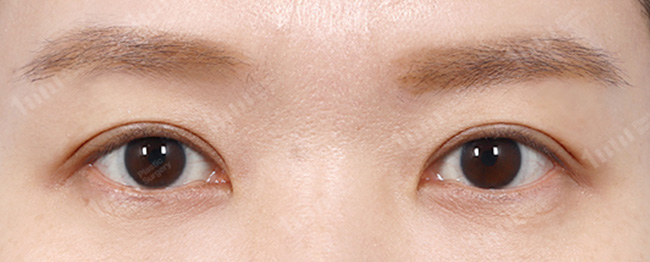
Revision eyelid surgery is a specialized corrective procedure performed to improve the appearance or function of the eyelids after previous eyelid surgery. At 1mm Plastic Surgery in Gangnam, Seoul, Korea, revision eyelid surgery is customized according to the patient's anatomy, scar tissue, eyelid function, crease height, symmetry, and previous surgical history. Common concerns include asymmetrical eyelids, multiple folds, high or low eyelid creases, persistent ptosis, visible scarring, hollow eyes, and unsatisfactory aesthetic outcomes. Revision surgery is generally more complex than primary eyelid surgery because it involves scar tissue, altered anatomy, and the need to restore both function and natural appearance.

What Is Revision Eyelid Surgery?

Revision eyelid surgery is a secondary or tertiary eyelid procedure designed to correct problems following previous eye surgery.

The goal may include:

  • Improving eyelid symmetry
  • Correcting crease height
  • Refining eyelid shape
  • Improving eye opening
  • Restoring natural contours
  • Correcting scarring
  • Improving eyelid function
  • Creating more balanced and natural-looking eyes

Revision procedures can involve the upper eyelids, lower eyelids, canthal areas, or a combination of multiple structures.

Why Do Patients Need Revision Eyelid Surgery?

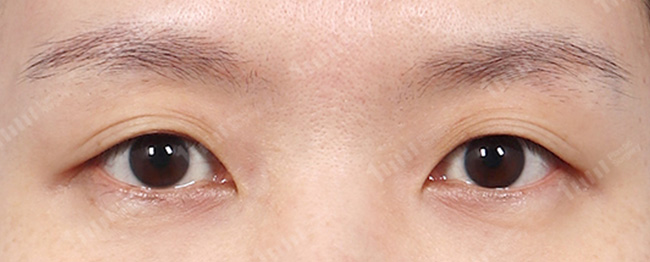
Asymmetrical Eyelids

One of the most common reasons for revision surgery is asymmetry.

Patients may experience:

  • Uneven crease height
  • Different eye shapes
  • Unequal eye opening
  • Imbalanced appearance

Revision surgery can improve overall symmetry and balance.
Multiple Eyelid Folds

Some patients develop:

  • Multiple creases
  • Irregular folds
  • Unstable eyelid lines

Revision surgery can help create a cleaner and more natural crease.

High or Low Eyelid Creases

Unsatisfactory crease position may result in:

  • Artificial appearance
  • Overly operated look
  • Incomplete eye definition

Revision techniques focus on achieving more harmonious eyelid proportions.

Persistent Ptosis

Droopy eyelids may remain after previous surgery or become more noticeable over time.

Revision ptosis correction may improve:

  • Eye opening
  • Visual function
  • Eye symmetry
  • Facial appearance


Visible Scars

Some patients seek revision because of:

  • Thick scars
  • Irregular scars
  • Depressed scars
  • Scar contracture

Careful scar management is often an important component of revision surgery.

Hollow or Sunken Eyes

Excessive fat removal may result in:

  • Hollow upper eyelids
  • Sunken appearance
  • Skeletal eye contours
  • Aged appearance

Volume restoration techniques may be recommended.

Common Revision Eyelid Surgery Procedures

Revision Double Eyelid Surgery

Corrects:

  • Uneven folds
  • Multiple folds
  • High creases
  • Low creases
  • Loose or disappearing creases

Revision Ptosis Surgery

Corrects:

  • Residual ptosis
  • Recurrent ptosis
  • Uneven eyelid opening
  • Functional eyelid concerns

Revision Upper Blepharoplasty

Corrects:

  • Excess skin
  • Hollow eyelids
  • Scar tissue
  • Unnatural eyelid contours

Revision Lower Blepharoplasty

Corrects:

  • Eye bags
  • Hollow under-eyes
  • Lower eyelid malposition
  • Asymmetry
  • Scleral show


When Is the Right Time for Revision Surgery?

In most cases, patients should wait until healing is complete before considering revision surgery.

Many specialists recommend waiting approximately:

  • 6 months
  • Up to 12 months in certain cases

This allows swelling to resolve, scar tissue to soften, and the final result of the original surgery to become clear. Exceptions may exist for significant functional problems requiring earlier intervention.

Why Revision Surgery Is More Complex

Revision eyelid surgery is often more challenging than primary surgery because of:

  • Scar tissue formation
  • Altered anatomy
  • Reduced tissue flexibility
  • Previous tissue removal
  • Higher patient expectations

Successful revision requires detailed analysis and individualized surgical planning.

Benefits of Revision Eyelid Surgery

Improved Symmetry

Correction of asymmetry often creates a more balanced appearance.

More Natural Eye Shape

Patients frequently seek revision to achieve:

  • Softer eyelid contours
  • Better proportions
  • More natural-looking eyes

Better Eyelid Function

Revision surgery may improve:

  • Eye opening
  • Eyelid closure
  • Eye comfort
  • Visual function

Enhanced Confidence

Successful correction often improves both appearance and patient satisfaction.

Recovery After Revision Eyelid Surgery

Days 1–3

  • Swelling
  • Mild bruising
  • Tightness

Week 1

  • Initial improvement
  • Reduced swelling

Weeks 2–6

  • Better eyelid contour
  • Improved symmetry

Months 1–6

  • Scar maturation
  • Tissue stabilization
  • Final refinement

Recovery may take longer than primary eyelid surgery due to existing scar tissue.

Why Choose 1mm Plastic Surgery?

Patients choose 1mm Plastic Surgery because of:

  • Specialized revision eyelid surgery expertise
  • Advanced scar management techniques
  • Complex ptosis revision experience
  • Customized surgical planning
  • Natural aesthetic philosophy
  • Functional and cosmetic correction
  • International patient support
  • Comprehensive postoperative care

Frequently Asked Questions

What is revision eyelid surgery?

Revision eyelid surgery is a corrective procedure performed after previous eyelid surgery to improve function, symmetry, appearance, or eyelid position.

Why would I need revision eyelid surgery?

Common reasons include asymmetry, multiple folds, high creases, ptosis, scarring, hollow eyes, and unsatisfactory cosmetic outcomes.

How long should I wait before revision surgery?

Most surgeons recommend waiting approximately 6 to 12 months after the original procedure unless significant functional issues require earlier treatment.

Is revision eyelid surgery more difficult than primary surgery?

Yes. Scar tissue and altered anatomy make revision procedures significantly more complex.

Can asymmetrical eyelids be corrected?

Yes. Revision surgery is commonly performed to improve eyelid symmetry and eye shape balance.

Can revision surgery fix multiple eyelid folds?

Yes. Revision techniques can often create a smoother and more natural crease.

Can revision surgery correct hollow eyes?

Yes. Fat grafting and volume restoration procedures may improve hollow or sunken eyelids.

Can ptosis be corrected during revision surgery?

Yes. Revision ptosis surgery is commonly performed when drooping eyelids persist after previous surgery.

Will there be more swelling than primary surgery?

Revision surgery may involve slightly longer recovery due to scar tissue and tissue manipulation.

Can international patients undergo revision eyelid surgery in Korea?

Yes. Many international patients visit Gangnam, Seoul, Korea for specialized revision eyelid surgery and complex eye correction procedures.