Canthoplasty in Gangnam Seoul Korea | 1mm Plastic Surgery

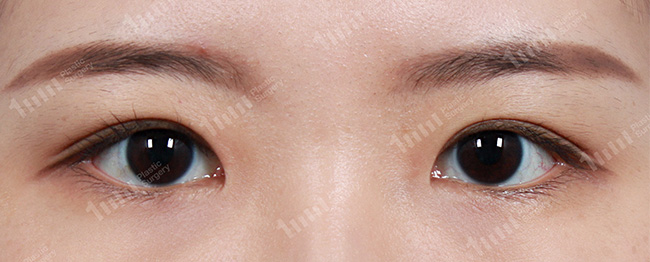
Canthoplasty is a specialized eye surgery that reshapes, repositions, or strengthens the outer corner of the eye (lateral canthus) to improve eye shape, eye length, eyelid support, and overall facial balance. At 1mm Plastic Surgery in Gangnam, Seoul, Korea, canthoplasty is customized according to each patient's eye anatomy, canthal tilt, eyelid support, and aesthetic goals. The procedure can create longer, brighter, and more defined eyes while maintaining natural-looking results and preserving eyelid function. Canthoplasty may be performed for both cosmetic enhancement and functional correction of eyelid laxity or malposition. 


What Is Canthoplasty?

Canthoplasty is a surgical procedure that modifies the lateral canthus, the outer corner where the upper and lower eyelids meet.

The procedure may be performed to:

  • Lengthen the eyes
  • Improve eye shape
  • Correct drooping outer corners
  • Improve eyelid support
  • Enhance facial balance
  • Correct lower eyelid laxity
  • Create a more refined eye contour

Modern canthoplasty focuses on achieving natural eye proportions rather than simply enlarging the eyes.

Who Is a Good Candidate?

You may be a candidate if you have:

  • Short-looking eyes
  • Upturned outer eye corners
  • Rounded eyes
  • Weak lower eyelid support
  • Lower eyelid laxity
  • Eye asymmetry
  • Previous eyelid surgery concerns
  • Desire for longer and more defined eyes

A detailed consultation is necessary to determine the appropriate surgical approach.

Types of Canthoplasty

Lateral Canthoplasty

Lateral canthoplasty focuses on the outer corner of the eye.

Benefits may include:

  • Increased horizontal eye length
  • Improved eye definition
  • Enhanced almond-shaped appearance
  • Better outer eye contour

This is one of the most commonly requested forms of canthoplasty.
Lower Canthoplasty

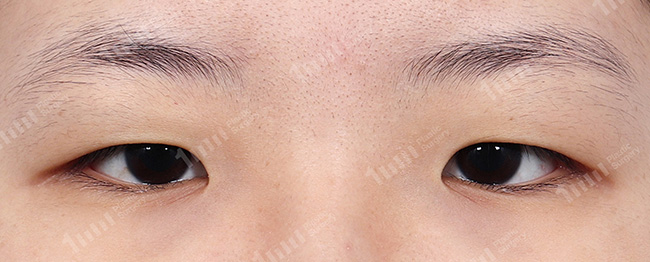
Lower canthoplasty lowers and reshapes the lower outer eyelid.

Benefits may include:

  • Softer eye appearance
  • Reduced upward slant
  • Improved lower eyelid contour
  • Larger-looking eyes

Lower canthoplasty is often selected by patients who wish to create a gentler and more approachable appearance.

Functional Canthoplasty

Functional canthoplasty may be recommended for patients with:

  • Eyelid laxity
  • Lower eyelid retraction
  • Post-blepharoplasty complications
  • Exposure symptoms

The goal is to improve both function and aesthetics.

Benefits of Canthoplasty

Longer-Looking Eyes

Canthoplasty can improve horizontal eye length and definition.

More Balanced Eye Shape

Patients often achieve:

  • Better eye proportions
  • Improved symmetry
  • Enhanced facial harmony

Brighter Appearance

A properly designed canthoplasty may create eyes that appear:

  • More open
  • More expressive
  • More youthful

Improved Eyelid Support

Certain canthoplasty techniques strengthen the outer eyelid structures and improve lower eyelid stability.

Canthoplasty vs Canthopexy

Canthoplasty

Canthoplasty involves surgical modification and repositioning of the lateral canthus.

Benefits include:

  • Greater reshaping capability
  • Structural correction
  • More significant eye contour changes

Canthopexy

Canthopexy is generally less invasive and focuses on reinforcing existing eyelid support structures without major reconstruction.

It is often used for mild eyelid laxity or as a supportive procedure during lower blepharoplasty.

Canthoplasty and Double Eyelid Surgery

Many patients combine canthoplasty with:

  • Double eyelid surgery
  • Ptosis correction
  • Epicanthoplasty
  • Lower blepharoplasty

Combining procedures may create a more balanced and harmonious eye appearance.

Canthoplasty and Revision Eyelid Surgery

Canthoplasty is frequently incorporated into revision surgery for patients experiencing:

  • Rounded eyes
  • Lower eyelid laxity
  • Poor eyelid support
  • Asymmetry
  • Unsatisfactory previous eye surgery results

Advanced canthoplasty techniques may restore both function and appearance.

Recovery After Canthoplasty

Days 1–3

  • Swelling
  • Mild bruising
  • Tightness

Week 1

  • Noticeable reduction in swelling
  • Initial improvement in eye shape

Weeks 2–6

  • Improved contour definition
  • Better symmetry

Months 1–6

  • Tissue stabilization
  • Scar maturation
  • Final refinement

Recovery varies depending on the surgical technique and whether additional procedures are performed.

Will the Results Look Natural?

Modern canthoplasty emphasizes:

  • Natural eye proportions
  • Facial harmony
  • Stable eyelid support
  • Long-term balance

The goal is enhancement rather than an exaggerated or artificial appearance.

Why Choose 1mm Plastic Surgery?

Patients choose 1mm Plastic Surgery because of:

  • Specialized eye surgery expertise
  • Advanced canthoplasty techniques
  • Customized eye design
  • Natural aesthetic philosophy
  • Revision surgery experience
  • Functional and cosmetic treatment planning
  • International patient support
  • Comprehensive postoperative care

Frequently Asked Questions

What is canthoplasty?

Canthoplasty is a surgical procedure that reshapes or repositions the outer corner of the eye to improve eye shape, support, and aesthetics.

What is the difference between canthoplasty and canthopexy?

Canthoplasty reconstructs or repositions the canthus, while canthopexy reinforces existing structures with less extensive modification.

Can canthoplasty make my eyes look larger?

Yes. Canthoplasty can increase the horizontal appearance of the eyes and create a more open eye contour.

Can canthoplasty correct drooping outer eye corners?

Yes. One of the primary goals of canthoplasty is improving outer corner position and eyelid support.

Can canthoplasty be combined with double eyelid surgery?

Yes. Many patients combine canthoplasty with double eyelid surgery for enhanced overall eye aesthetics.

Is canthoplasty permanent?

Results are generally long-lasting because the procedure modifies and stabilizes eyelid support structures.

Can canthoplasty help after previous eye surgery?

Yes. Canthoplasty is commonly used in revision surgery to improve eyelid support and eye shape.

How long does recovery take?

Most swelling improves significantly within several weeks, while final refinement continues over several months.

Will there be visible scars?

Incisions are typically placed in natural eyelid folds and outer eye creases to minimize visible scarring.

Can international patients undergo canthoplasty in Korea?

Yes. Many international patients travel to Gangnam, Seoul, Korea for specialized canthoplasty and eye contouring procedures.