Natural Anatomy
Many people naturally have:
- Upward outer eye corners
- Downward outer eye corners
- Uneven eye tilt
- Eye asymmetry
These characteristics are often hereditary.
1mm Plastic Surgery · Gangnam, Seoul
Slanted eye correction is a customized eye-shaping procedure designed to improve excessive upward or downward eye tilt, eye asymmetry, and imbalanced eye proportions.

In short
Slanted eye correction is a customized eye-shaping procedure designed to improve excessive upward or downward eye tilt, eye asymmetry, and imbalanced eye proportions. At 1mm Plastic Surgery in Gangnam, Seoul, Korea, slanted eye correction may involve canthoplasty, ptosis correction, double eyelid surgery, eye corner repositioning, lower canthoplasty, or revision eyelid surgery depending on the patient's anatomy and aesthetic goals. The objective is to create more balanced, harmonious, and natural-looking eyes that complement the overall facial structure while preserving individual characteristics.
Medically reviewed by Dr. Eon Rok Do, board-certified plastic surgeon · Updated October 2026
Overview
Slanted eye correction refers to procedures that modify the angle and contour of the eyes when the eyes appear excessively:
The procedure focuses on improving:
Every patient's anatomy is different, requiring a customized treatment approach.
02
Many people naturally have:
These characteristics are often hereditary.
Differences between the two eyes may create the appearance of slanted eyes.
Common examples include:
Drooping eyelids may alter perceived eye shape and make one eye appear more slanted than the other.
Previous procedures may occasionally contribute to:
Revision surgery may help improve these concerns.
As facial tissues weaken with age, the outer eye corners may descend and contribute to a downturned appearance.
Procedure
Patients with excessively upturned eyes may seek:
Treatment often focuses on eye corner balance and contour refinement.
Patients with downturned eyes may appear:
Procedures may improve:
When one eye is more slanted than the other, treatment may focus on:
Procedure
Lower canthoplasty is frequently used to improve:
The procedure can help create smoother and more harmonious eye contours.
Lateral canthoplasty modifies the outer corner of the eye.
Benefits may include:
Ptosis correction may be recommended when eye asymmetry is caused by uneven eyelid opening.
Benefits include:
Double eyelid surgery may complement slanted eye correction by improving:
Patients with previous surgery concerns may benefit from revision procedures to improve:
05
Downturned eyes often cause patients to appear:
Correction may improve:
The goal is subtle refinement rather than dramatic alteration.
06
Patients with strongly upturned eyes may seek:
Customized eye-shaping procedures can help create a more proportionate appearance.
Real result
A canthoplasty result at 1mm Plastic Surgery, Gangnam. Every case is planned around the patient's own anatomy.
Published with patient consent. Individual results vary with anatomy, healing and the technique used.
All before & after photos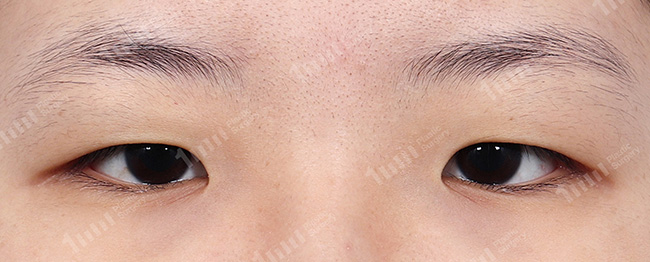
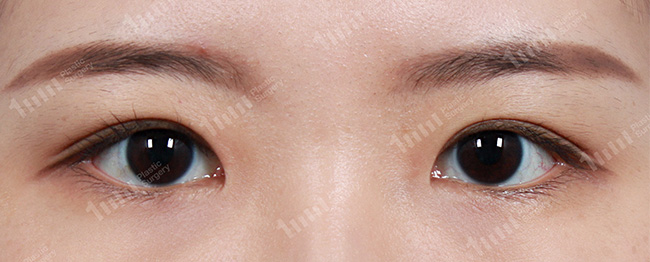
Results
Patients often achieve:
Treatment focuses on creating:
The position and angle of the eyes significantly influence overall facial appearance.
Many patients feel more comfortable with improved eye symmetry and balance.
Candidates
You may be a candidate if you have:
A detailed consultation is necessary to determine the most appropriate treatment approach.
Recovery
Recovery depends on the specific procedures performed.
Why 1mm
Patients choose 1mm Plastic Surgery because of:
Questions
Still unsure? Message us on WhatsApp and a coordinator will reply in English.
Slanted eye correction refers to customized procedures that improve excessive upward or downward eye tilt and create more balanced eye proportions.
Yes. Procedures such as canthoplasty and eye corner repositioning may improve downturned eyes in suitable candidates.
Yes. Customized eye-shaping procedures may help soften excessively upturned eye contours and improve balance.
Common causes include genetics, natural anatomy, eye asymmetry, ptosis, aging, and previous eye surgery.
No. Canthoplasty is one procedure that may be used as part of a comprehensive slanted eye correction plan.
Yes. Many procedures are specifically designed to improve differences in eye tilt and eye corner positioning.
The goal is to improve balance and harmony while maintaining your natural facial characteristics.
Yes. Many patients benefit from combining procedures when multiple factors contribute to their eye shape concerns.
Results are generally long-lasting, although natural aging continues over time.
Yes. Many international patients travel to Gangnam, Seoul, Korea for specialized eye shape correction and advanced eyelid surgery.
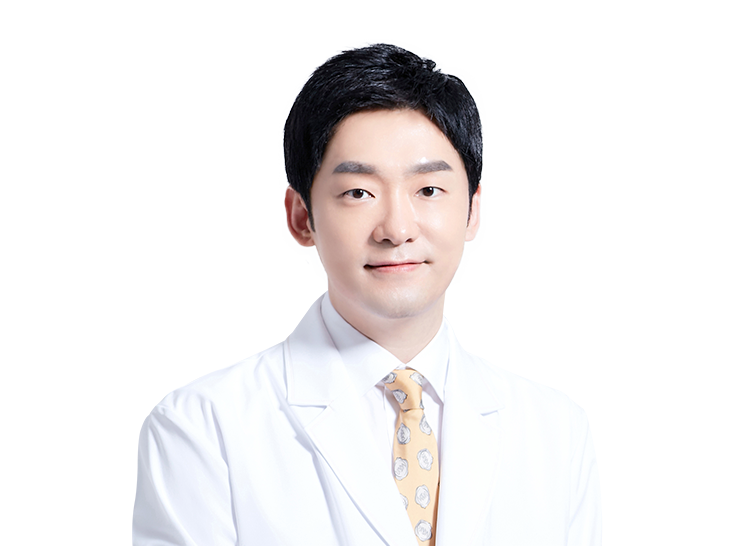
Reviewed by
Representative Director of 1mm Plastic Surgery and board-certified plastic surgeon. Every operation at 1mm is performed by the surgeon named in your consultation and surgery record — no ghost or proxy surgery. Full surgeon profiles · English-speaking eyelid surgeon in Seoul
Start with a photo
Send a front-facing photo of your eyes, open and closed. A coordinator will reply with your surgeon's first opinion and help you plan your visit to Seoul.
Keep reading
Let’s Chat Today!
📞+82-10-9451-1171 (WhatsApp & Text)
English-Speaking & Foreigner-Friendly. We’re Here for You!
Let our board-certified specialists at Very Good Plastic Surgery Clinic help you achieve natural, balanced, and refreshed eyes.




📍 Location
449 Gangnam-daero, Seocho-gu, Seoul
Youngshin Building, 7F · 8F · 9F · 10F
📞 Phone Consultation / Reservation
T. +82-10-9451-1171