Rounded Eyes
Some patients develop a rounded appearance after previous canthoplasty.
Revision surgery may restore:
- Almond-shaped eyes
- Natural contour
- Better lower eyelid support
1mm Plastic Surgery · Gangnam, Seoul
Overcorrection

In short
Excessive modification of the outer eye corner may result in:
Revision surgery may help restore more natural proportions.
Some patients experience minimal improvement after surgery.
Common concerns include:
One eye may heal differently than the other.
This can result in:
Patients may develop:
In some cases, excessive weakening of support structures may contribute to:
Medically reviewed by Dr. Eon Rok Do, board-certified plastic surgeon · Updated October 2026
01
Some patients develop a rounded appearance after previous canthoplasty.
Revision surgery may restore:
Visible white sclera beneath the iris may develop when lower eyelid support is compromised.
Correction focuses on restoring proper eyelid position.
Revision surgery may improve:
Scar tissue may cause:
Scar release and tissue reconstruction may be necessary in selected cases.
Candidates
You may be a candidate if you have:
A detailed evaluation is necessary before planning revision surgery.
Procedure
The surgical approach depends on the underlying problem.
Possible components include:
Each revision plan is highly individualized according to the patient's anatomy and previous surgery.
04
Patients who previously underwent lateral canthoplasty may seek revision for:
Revision surgery focuses on creating a more balanced and natural eye shape.
05
Common concerns include:
Supportive reconstruction techniques are often used to restore eyelid function and aesthetics.
06
Many patients choose to combine canthoplasty revision with:
A comprehensive approach often provides the most harmonious result.
Real result
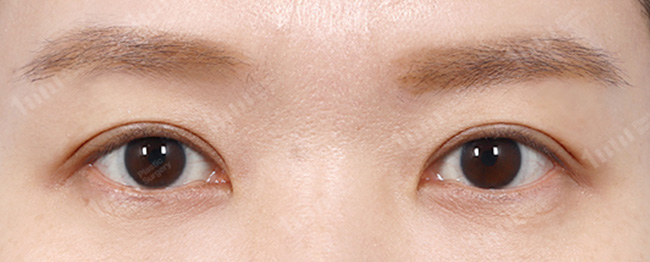
A incisional double eyelid result at 1mm Plastic Surgery, Gangnam. Every case is planned around the patient's own anatomy.
Published with patient consent. Individual results vary with anatomy, healing and the technique used.
All before & after photos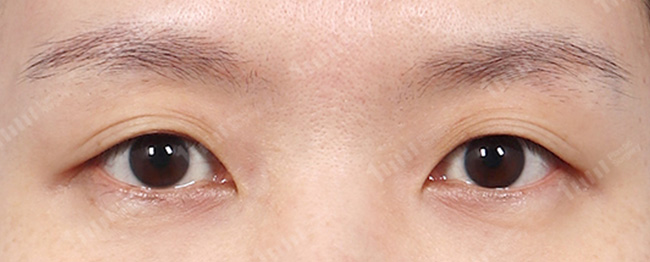
Recovery
Revision surgery may require a longer recovery period than primary canthoplasty.
Results
Modern canthoplasty revision focuses on:
The goal is to improve previous results without creating an artificial appearance.
Why 1mm
Patients choose 1mm Plastic Surgery because of:
Questions
Still unsure? Message us on WhatsApp and a coordinator will reply in English.
Canthoplasty revision is a corrective surgery performed to improve the results of previous canthoplasty or eye contouring procedures.
Common reasons include asymmetry, overcorrection, undercorrection, visible scarring, rounded eyes, and unsatisfactory cosmetic outcomes.
Yes. Revision surgery may help restore more natural eye proportions and canthal positioning.
Yes. Additional correction can often improve eye length, contour, and symmetry.
Yes. Many revision procedures focus on restoring almond-shaped eye contours and improving eyelid support.
Excessive lowering of the lower eyelid or weakened eyelid support may result in visible white sclera beneath the iris.
Yes. Scar revision and tissue reconstruction techniques may improve the appearance of previous surgical scars.
Most swelling improves significantly within several weeks, while final healing and contour refinement continue for several months.
Yes. Revision procedures are generally more complex because scar tissue and altered anatomy must be carefully managed.
Yes. Many international patients travel to Gangnam, Seoul, Korea for specialized revision eye surgery and canthal reconstruction procedures.
Reviewed by
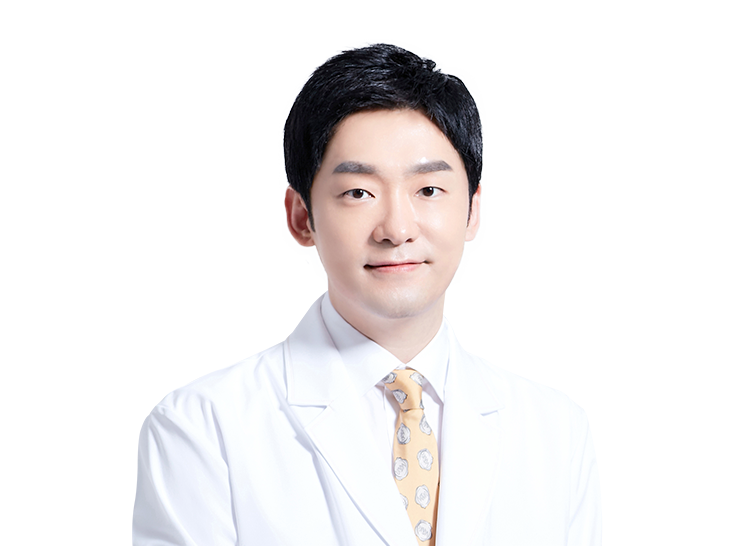
Representative Director of 1mm Plastic Surgery and board-certified plastic surgeon. Every operation at 1mm is performed by the surgeon named in your consultation and surgery record — no ghost or proxy surgery. Full surgeon profiles · English-speaking eyelid surgeon in Seoul
Start with a photo
Send a front-facing photo of your eyes, open and closed. A coordinator will reply with your surgeon's first opinion and help you plan your visit to Seoul.
Keep reading
Let’s Chat Today!
📞+82-10-9451-1171 (WhatsApp & Text)
English-Speaking & Foreigner-Friendly. We’re Here for You!
Let our board-certified specialists at Very Good Plastic Surgery Clinic help you achieve natural, balanced, and refreshed eyes.




📍 Location
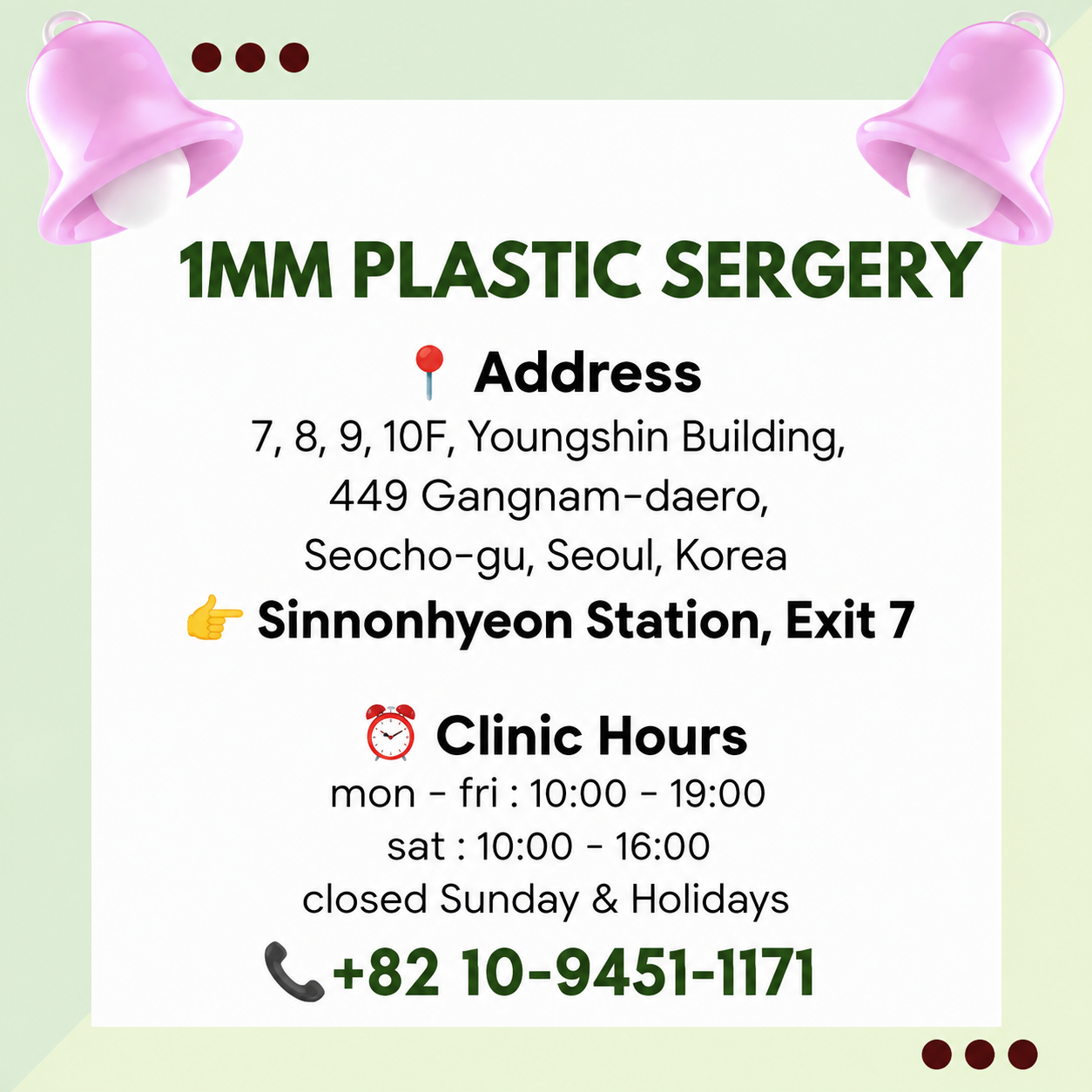
449 Gangnam-daero, Seocho-gu, Seoul
Youngshin Building, 7F · 8F · 9F · 10F
📞 Phone Consultation / Reservation
T. +82-10-9451-1171