Droopy Eyelid Surgery in Gangnam Seoul Korea | 1mm Plastic Surgery

Droopy eyelid surgery is a customized procedure designed to correct upper eyelid drooping caused by ptosis, excess skin, aging, or weakened eyelid muscles. At 1mm Plastic Surgery in Gangnam, Seoul, Korea, treatment is tailored to the underlying cause of the drooping eyelid and may include ptosis correction, upper blepharoplasty, double eyelid surgery, or a combination approach. The goal is to improve eye opening, restore symmetry, create a brighter appearance, and achieve natural-looking results that complement the patient's facial features. Ptosis occurs when the upper eyelid droops due to weakness of the eyelid-lifting muscle, while excess skin and tissue can also contribute to a heavy eyelid appearance.


What Is a Droopy Eyelid?

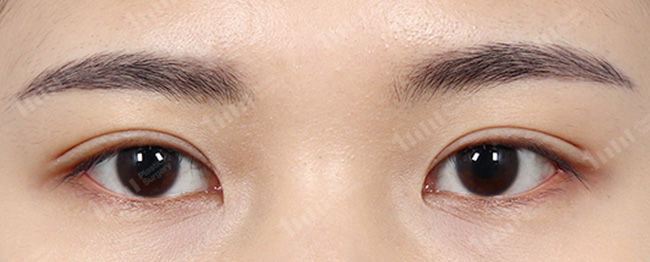
A droopy eyelid refers to an upper eyelid that sits lower than normal and partially covers the eye.

Patients commonly notice:

  • Smaller-looking eyes
  • Sleepy appearance
  • Heavy eyelids
  • Uneven eye opening
  • Visual obstruction
  • Forehead strain
  • Facial asymmetry

The condition may affect one eye or both eyes and can range from mild to severe.

Common Causes of Droopy Eyelids

Ptosis

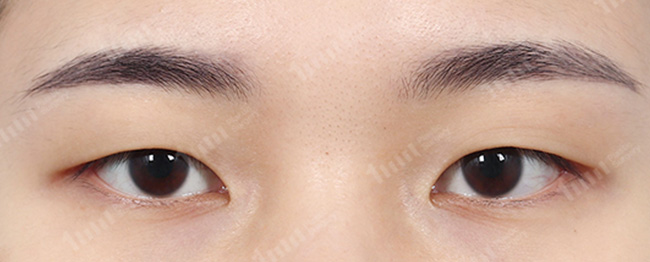
Ptosis occurs when the muscle responsible for lifting the eyelid becomes weakened or stretched.

Symptoms may include:

  • Drooping upper eyelids
  • Reduced eye opening
  • Tired appearance
  • Eyelid asymmetry

Ptosis is one of the most common causes of droopy eyelids.
Aging

Natural aging may cause:

  • Loss of skin elasticity
  • Excess upper eyelid skin
  • Weakening of eyelid support structures

These changes can create a heavy and drooping appearance.

Excess Skin (Dermatochalasis)

Some patients develop excess skin folds that hang over the upper eyelid and eyelashes.

This may result in:

  • Hooded eyelids
  • Reduced eyelid visibility
  • Older appearance
  • Visual field obstruction

Upper blepharoplasty is often used to address this concern.

Congenital Droopy Eyelids

Some individuals are born with drooping eyelids due to underdeveloped eyelid muscles.

How Is Droopy Eyelid Surgery Performed?

Treatment depends on the underlying cause.

Ptosis Correction

When the problem is muscle weakness, surgery may involve:

  • Levator advancement
  • Levator tightening
  • Eyelid height adjustment
  • Symmetry correction

The goal is to improve eyelid elevation and eye opening.

Upper Blepharoplasty

When excess skin is the primary concern, upper blepharoplasty may:

  • Remove redundant skin
  • Reduce heaviness
  • Improve eyelid definition
  • Enhance vision in selected patients

Upper blepharoplasty specifically targets excess skin and tissue rather than the eyelid-lifting muscle.

Combined Procedures

Many patients benefit from combining:

  • Ptosis correction
  • Upper blepharoplasty
  • Double eyelid surgery

A combined approach often produces the most natural and balanced outcome.

Signs You May Benefit From Droopy Eyelid Surgery

You may be a candidate if you experience:

  • Drooping upper eyelids
  • Sleepy-looking eyes
  • Uneven eyelid height
  • Difficulty seeing the eyelid crease
  • Excess upper eyelid skin
  • Chronic forehead tension
  • Visual obstruction from eyelid tissue

Benefits of Droopy Eyelid Surgery

Larger-Looking Eyes

Improved eyelid position allows more of the eye to be visible.

More Alert Appearance

Patients often appear:

  • More energetic
  • More refreshed
  • More youthful

Improved Symmetry

Correction can improve differences between the eyes and create better facial balance.

Better Vision

In selected patients, lifting drooping eyelids and removing excess skin may improve the visual field.

Customized Treatment Planning

At 1mm Plastic Surgery, every droopy eyelid surgery plan is customized according to:

  • Eyelid anatomy
  • Levator muscle strength
  • Skin elasticity
  • Brow position
  • Facial proportions
  • Age-related changes
  • Personal preferences

The objective is not simply lifting the eyelids, but creating harmony between the eyes and the rest of the face.

Recovery After Droopy Eyelid Surgery

Days 1–3

  • Swelling
  • Mild bruising
  • Tightness

Week 1

  • Noticeable improvement
  • Reduction in swelling

Weeks 2–4

  • Better eyelid definition
  • Improved symmetry

Months 1–6

  • Scar maturation
  • Tissue settling
  • Final refinement

Recovery varies depending on the procedures performed and individual healing characteristics.

Will There Be Visible Scars?

Incisions are typically placed:

  • Within natural eyelid creases
  • Along existing eyelid folds
  • In concealed anatomical locations

Most scars become progressively less noticeable during the healing process.

Why Choose 1mm Plastic Surgery?

Patients choose 1mm Plastic Surgery because of:

  • Specialized eyelid surgery expertise
  • Advanced ptosis correction techniques
  • Customized treatment planning
  • Natural aesthetic philosophy
  • Scar-conscious surgical methods
  • Personalized eye analysis
  • International patient services
  • Comprehensive postoperative care

Frequently Asked Questions

What causes droopy eyelids?

Common causes include ptosis, aging, excess skin, congenital muscle weakness, previous surgery, and trauma.

What is the difference between ptosis and excess eyelid skin?

Ptosis is caused by weakness of the eyelid-lifting muscle, while excess skin results from aging or tissue redundancy. Many patients have both conditions.

Can droopy eyelids make my eyes look smaller?

Yes. Drooping eyelids partially cover the eyes, making them appear smaller and less defined.

What surgery is best for droopy eyelids?

The ideal procedure depends on the cause and may involve ptosis correction, upper blepharoplasty, double eyelid surgery, or a combination approach.

Can droopy eyelid surgery improve vision?

In some patients, correcting ptosis or removing excess upper eyelid skin can improve the visual field.

Will my eyes look larger after surgery?

Yes. Improving eyelid position often creates a brighter, larger-looking, and more alert appearance.

How long does recovery take?

Most swelling improves significantly within several weeks, while final refinement may continue for several months.

Will there be visible scars?

Incisions are generally hidden within natural eyelid creases and become less noticeable with healing.

Can asymmetrical droopy eyelids be corrected?

Yes. Improving eyelid symmetry is one of the most common goals of droopy eyelid surgery.

Can international patients undergo droopy eyelid surgery in Korea?

Yes. Many international patients travel to Gangnam, Seoul, Korea specifically for specialized eyelid surgery and ptosis correction.