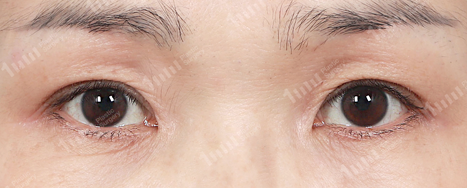
Upper Blepharoplasty in Gangnam Seoul Korea | 1mm Plastic Surgery

Upper blepharoplasty is a surgical procedure that removes or repositions excess skin, fat, and occasionally muscle from the upper eyelids to create a brighter, more youthful, and refreshed appearance. At 1mm Plastic Surgery in Gangnam, Seoul, Korea, upper blepharoplasty is customized according to each patient's eyelid anatomy, skin elasticity, brow position, and facial proportions. The procedure can improve hooded eyelids, heavy upper lids, excess skin, and age-related eyelid changes while maintaining natural facial harmony and expression. 


What Is Upper Blepharoplasty?

Upper blepharoplasty, commonly known as upper eyelid surgery or an eyelid lift, is designed to rejuvenate the upper eyelid area by removing or reshaping excess tissue. The procedure may involve removal of excess skin, repositioning of fat, and refinement of the underlying muscle structures to improve both appearance and function.

Upper blepharoplasty may address:

  • Excess upper eyelid skin
  • Hooded eyelids
  • Puffy upper eyelids
  • Heavy-looking eyes
  • Poorly defined eyelid creases
  • Age-related eyelid changes
  • Visual obstruction caused by excess skin

Who Is a Good Candidate?

You may be a suitable candidate if you have:

  • Sagging upper eyelid skin
  • Hooded or heavy eyelids
  • A tired or aged appearance
  • Excess skin covering the eyelid crease
  • Difficulty applying makeup due to excess skin
  • Visual field obstruction caused by drooping tissue

A thorough consultation helps determine whether upper blepharoplasty alone or a combination procedure will provide the most balanced result.

Common Reasons Patients Choose Upper Blepharoplasty

Excess Upper Eyelid Skin

As skin loses elasticity with age, redundant skin may accumulate on the upper eyelids.

This can lead to:

  • A tired appearance
  • Heavier-looking eyes
  • Reduced eyelid definition
  • An older facial appearance

Upper blepharoplasty removes excess skin and restores a more refreshed look.
Hooded Eyelids

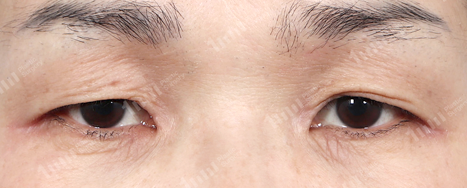
Many patients seek surgery because hooded eyelids make the eyes appear smaller, heavier, or less expressive.

Upper blepharoplasty can:

  • Open the upper eyelid area
  • Improve eyelid contour
  • Enhance eye definition
  • Restore a youthful appearance


Functional Concerns

In some patients, excess upper eyelid skin can partially block vision.

Upper blepharoplasty may improve:

  • Peripheral vision
  • Eyelid comfort
  • Eye fatigue
  • Forehead strain from constantly raising the brows


Benefits of Upper Blepharoplasty

Brighter and More Alert Eyes

Patients often appear:

  • More awake
  • More energetic
  • More refreshed
  • Younger-looking

Improved Eyelid Definition

Removing excess tissue creates a cleaner and more visible eyelid contour.

Long-Lasting Rejuvenation

Unlike many non-surgical treatments, upper blepharoplasty provides long-term improvement of upper eyelid aging concerns.

Natural Results

Modern upper blepharoplasty focuses on preserving natural eyelid anatomy and avoiding an over-operated appearance.

How Is Upper Blepharoplasty Performed?

The procedure typically includes:

  1. Detailed eyelid evaluation
  2. Customized surgical design
  3. Local anesthesia or sedation
  4. Incision hidden within the natural eyelid crease
  5. Removal or repositioning of excess skin
  6. Conservative fat contouring if necessary
  7. Muscle refinement when indicated
  8. Precise closure

The incision is generally concealed within the upper eyelid fold, making scars difficult to notice after healing.

Upper Blepharoplasty vs Ptosis Correction

Upper Blepharoplasty

Primarily treats:

  • Excess skin
  • Hooded eyelids
  • Eyelid heaviness
  • Aging-related tissue redundancy

Ptosis Correction

Primarily treats:

  • Weak eyelid-opening muscles
  • Drooping eyelid position
  • Reduced eye opening

Many patients benefit from combining both procedures for optimal functional and aesthetic outcomes.

Upper Blepharoplasty vs Double Eyelid Surgery

While both procedures involve the upper eyelids, they serve different purposes.

Upper Blepharoplasty

Focuses on:

  • Removing excess skin
  • Rejuvenating aging eyelids
  • Correcting heaviness

Double Eyelid Surgery

Focuses on:

  • Creating or refining an eyelid crease
  • Improving eyelid fold definition

In some patients, both procedures may be combined.

Can Upper Blepharoplasty Be Combined With Other Procedures?

Yes.

Common combinations include:

  • Ptosis correction
  • Double eyelid surgery
  • Upper eyelid fat removal
  • Brow lift
  • Revision eyelid surgery
  • Lower blepharoplasty

A customized treatment plan often provides the most harmonious result.

Recovery After Upper Blepharoplasty

Days 1–3

  • Swelling
  • Mild bruising
  • Tightness

Week 1

  • Significant improvement
  • Return to light activities

Weeks 2–4

  • Better eyelid definition
  • Continued reduction in swelling

Months 1–6

  • Scar maturation
  • Tissue settling
  • Final refinement

Recovery varies according to individual healing characteristics and the extent of surgery.

Will There Be Visible Scars?

Incisions are usually hidden within the natural upper eyelid crease.

Benefits include:

  • Excellent scar concealment
  • Natural healing
  • Minimal visible scarring

Most scars become progressively less noticeable over time.

Why Choose 1mm Plastic Surgery?

Patients choose 1mm Plastic Surgery because of:

  • Specialized eyelid surgery expertise
  • Advanced upper blepharoplasty techniques
  • Customized surgical planning
  • Natural aesthetic philosophy
  • Scar-conscious surgical methods
  • Personalized eye analysis
  • International patient support
  • Comprehensive postoperative care

Frequently Asked Questions

What is upper blepharoplasty?

Upper blepharoplasty is a surgical procedure that removes or repositions excess skin, fat, and tissue from the upper eyelids to improve appearance and eyelid contour.

What problems can upper blepharoplasty treat?

It can address hooded eyelids, excess skin, heavy upper eyelids, puffiness, and age-related eyelid changes.

Can upper blepharoplasty improve vision?

Yes. In some patients, removing excess upper eyelid skin may improve peripheral vision and reduce visual obstruction.

Will upper blepharoplasty make me look younger?

Yes. Most patients appear more refreshed, awake, and youthful after surgery.

Is upper blepharoplasty the same as ptosis surgery?

No. Upper blepharoplasty removes excess tissue, while ptosis surgery improves eyelid muscle function. Some patients require both procedures.

Can upper blepharoplasty be combined with double eyelid surgery?

Yes. Many patients combine the procedures to improve both eyelid definition and rejuvenation.

How long does recovery take?

Most swelling improves significantly within several weeks, while final refinement continues over several months.

Will there be visible scars?

Incisions are usually hidden within the natural eyelid crease and become progressively less noticeable with healing.

How long do results last?

Results are generally long-lasting, although the natural aging process continues over time.

Can international patients undergo upper blepharoplasty in Korea?

Yes. Many international patients travel to Gangnam, Seoul, Korea for specialized upper eyelid rejuvenation and blepharoplasty procedures.onsultation with an experienced plastic surgeon in Seoul today.