Long-Lasting Results
Because the crease is created through direct tissue fixation, results are generally more durable than non-incisional techniques.
1mm Plastic Surgery · Gangnam, Seoul
Partial incision double eyelid surgery is a popular Korean eyelid procedure that combines the benefits of non-incisional and full-incisional techniques.

In short
Partial incision double eyelid surgery is a popular Korean eyelid procedure that combines the benefits of non-incisional and full-incisional techniques. Through several small openings hidden within the future eyelid crease, the surgeon can create a stable double eyelid fold while removing excess fat when necessary. At 1mm Plastic Surgery in Gangnam, partial incision double eyelid surgery is customized according to eyelid thickness, fat volume, skin elasticity, and facial proportions to achieve natural-looking and long-lasting results with minimal visible scarring.
Medically reviewed by Dr. Eon Rok Do, board-certified plastic surgeon · Updated October 2026
Overview
Partial incision double eyelid surgery creates a defined upper eyelid crease using several small incisions rather than a full-length incision.
This technique allows the surgeon to:
The procedure is often considered the ideal middle ground between non-incisional and full-incisional double eyelid surgery.
Candidates
Partial incision double eyelid surgery is often suitable for patients who have:
Patients with severe skin laxity or significant excess skin may benefit more from full-incision surgery.
Results
Because the crease is created through direct tissue fixation, results are generally more durable than non-incisional techniques.
The small incisions are hidden within the eyelid crease and typically become difficult to notice after healing.
Compared with traditional full-incision surgery, swelling and downtime are often reduced.
Unlike pure non-incisional methods, excess orbital fat can be partially removed when necessary.
The procedure creates a soft and natural crease that complements the patient's facial features.
Procedure
The procedure typically includes:
Every surgical plan is individualized according to the patient's anatomy and goals.
05
Best for:
Advantages:
Limitations:
Advantages:
This option is often preferred for patients who require greater crease stability.
06
Recommended for:
Advantages:
Advantages:
Many patients choose partial incision surgery because it balances durability and recovery.
Real result
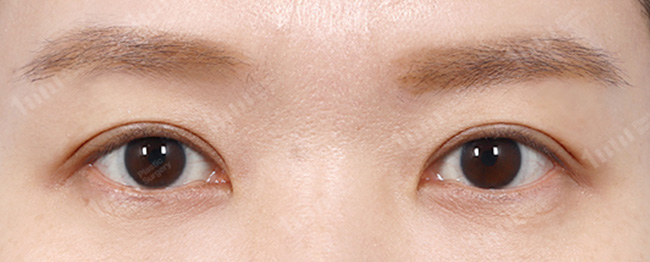
A incisional double eyelid result at 1mm Plastic Surgery, Gangnam. Every case is planned around the patient's own anatomy.
Published with patient consent. Individual results vary with anatomy, healing and the technique used.
All before & after photos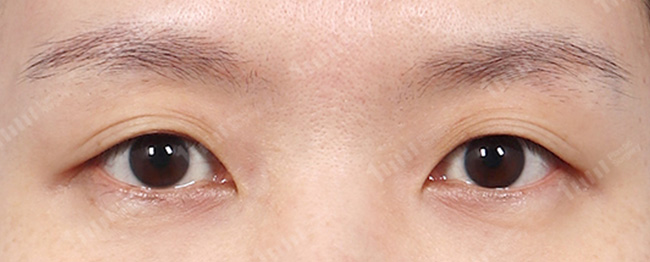
Recovery
Healing varies according to individual recovery characteristics.
Safety
One of the main advantages of partial incision surgery is minimal visible scarring.
The tiny incision sites:
Proper postoperative care further improves scar quality.
Procedure
Yes. Depending on the patient's needs, it may be combined with:
Combined procedures often provide more comprehensive eye enhancement.
Why 1mm
1mm Plastic Surgery focuses on personalized eyelid surgery rather than a one-size-fits-all approach.
Patients benefit from:
Questions
Still unsure? Message us on WhatsApp and a coordinator will reply in English.
Partial incision double eyelid surgery creates a defined eyelid crease through several small incisions that allow tissue fixation and limited fat removal.
Results are generally more durable than non-incisional methods because stronger tissue attachment is created.
Patients with mildly puffy eyelids, minimal excess skin, and a desire for long-lasting natural results are often excellent candidates.
Yes. Small amounts of excess orbital fat can be removed through the limited incisions when appropriate.
Yes. Most patients experience less swelling and a shorter recovery period compared with traditional full-incision techniques.
The small incision sites are hidden within the eyelid crease and generally become difficult to notice after healing.
Most noticeable swelling improves during the first few weeks, although final refinement continues for several months.
For patients with puffy eyelids or those seeking greater crease durability, partial incision surgery may offer advantages.
Yes. The procedure can improve eyelid symmetry and crease balance when appropriate for the patient's anatomy.
Yes. Many international patients complete consultation, surgery, and initial follow-up during a short stay in Gangnam.
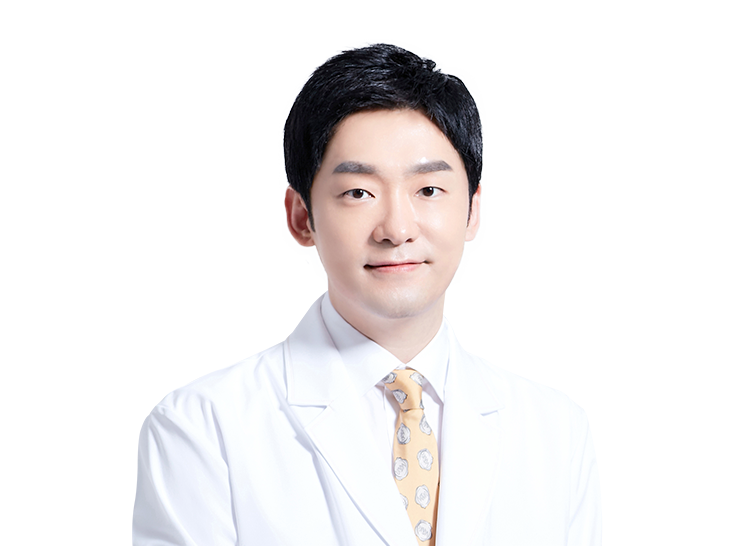
Reviewed by
Representative Director of 1mm Plastic Surgery and board-certified plastic surgeon. Every operation at 1mm is performed by the surgeon named in your consultation and surgery record — no ghost or proxy surgery. Full surgeon profiles · English-speaking eyelid surgeon in Seoul
Start with a photo
Send a front-facing photo of your eyes, open and closed. A coordinator will reply with your surgeon's first opinion and help you plan your visit to Seoul.
Keep reading
Let’s Chat Today!
📞+82-10-9451-1171 (WhatsApp & Text)
English-Speaking & Foreigner-Friendly. We’re Here for You!
Let our board-certified specialists at Very Good Plastic Surgery Clinic help you achieve natural, balanced, and refreshed eyes.






📍 Location
449 Gangnam-daero, Seocho-gu, Seoul
Youngshin Building, 7F · 8F · 9F · 10F
📞 Phone Consultation / Reservation
T. +82-10-9451-1171