Previous Double Eyelid Surgery
The most common cause is previous eyelid surgery.
Contributing factors include:
- Excessively high crease design
- Overcorrection
- Excess tissue removal
- Excessive fixation
- Scar adhesions
1mm Plastic Surgery · Gangnam, Seoul
High crease correction is a specialized revision eyelid surgery designed to lower an excessively high double eyelid crease and restore a more natural, balanced eye appearance.

In short
High crease correction is a specialized revision eyelid surgery designed to lower an excessively high double eyelid crease and restore a more natural, balanced eye appearance. At 1mm Plastic Surgery in Gangnam, Seoul, Korea, high crease correction is customized according to eyelid anatomy, scar tissue, skin thickness, eyelid volume, and previous surgical history. The procedure focuses on lowering the crease to a more appropriate position, improving eyelid fullness, reducing the appearance of hollow eyes, and creating softer, more natural-looking eyelids that better harmonize with the patient's facial features.
Medically reviewed by Dr. Eon Rok Do, board-certified plastic surgeon · Updated October 2026
Overview
A high eyelid crease occurs when the double eyelid fold is positioned higher than aesthetically desired.
This may result in:
High creases may occur naturally or develop after previous double eyelid surgery.
Why 1mm
The most common cause is previous eyelid surgery.
Contributing factors include:
Excessive removal of orbital fat may lead to:
Internal scar adhesions may pull the eyelid upward and maintain an unnaturally high crease.
As aging progresses:
This can make an already high crease appear even more prominent.
03
Patients often feel their eyes look:
High creases are frequently associated with:
One crease may be higher than the other, creating:
In severe cases, excessive tissue tension may contribute to eyelid closure problems.
Candidates
You may be a candidate if you have:
A detailed consultation is necessary to determine the most effective revision strategy.
Procedure
The primary goal is to lower the crease to a more natural position.
This may involve:
When scar tissue contributes to the high crease, surgery may include:
This allows the eyelid to move more naturally.
Patients with hollow upper eyelids may benefit from:
These procedures help soften the crease and restore youthful contours.
Many patients require complete revision of the previous eyelid fold to achieve optimal results.
06
High creases and hollow eyes often occur together.
When volume loss is present, treatment may involve:
Combining these techniques often produces the most natural outcome.
07
Patients commonly seek revision because of:
Revision surgery focuses on restoring a softer and more balanced eyelid appearance.
Real result
A incisional double eyelid result at 1mm Plastic Surgery, Gangnam. Every case is planned around the patient's own anatomy.
Published with patient consent. Individual results vary with anatomy, healing and the technique used.
All before & after photos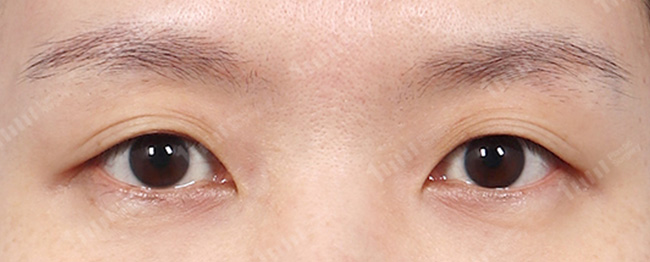
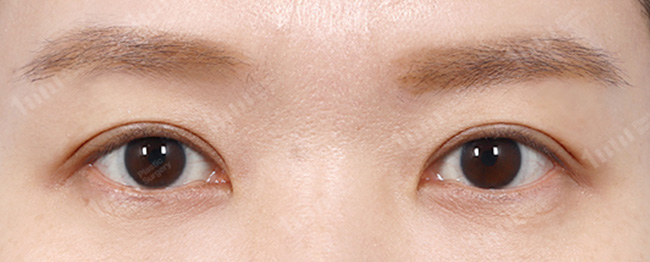
Results
The eyelids often appear:
Correction may improve:
Volume restoration can improve:
A properly positioned crease often creates more balanced facial proportions.
Recovery
Revision surgery may require longer healing than primary eyelid surgery.
10
In many cases, significant improvement is possible.
However, the degree of correction depends on:
The goal is to create the most natural and harmonious result possible.
Why 1mm
Patients choose 1mm Plastic Surgery because of:
Questions
Still unsure? Message us on WhatsApp and a coordinator will reply in English.
A high eyelid crease is a double eyelid fold positioned higher than aesthetically desired, often creating a deep or unnatural appearance.
Common causes include previous eyelid surgery, excessive fixation, scar tissue, aggressive fat removal, and aging-related volume loss.
Yes. Revision eyelid surgery can lower the crease and create a more natural eyelid appearance.
High creases often expose more of the upper eyelid and may be associated with volume loss, creating a hollow appearance.
Yes. Fat grafting is commonly used to restore volume and soften deep or hollow upper eyelids.
Yes. Most high crease corrections are performed as revision double eyelid surgery.
Yes. Scar adhesions can pull the eyelid upward and maintain an unnaturally elevated crease.
Most surgeons recommend waiting approximately 6 to 12 months after previous eyelid surgery before revision.
The goal of surgery is to create softer, more balanced, and natural-looking eyelids.
Yes. Many international patients travel to Gangnam, Seoul, Korea for specialized high crease correction and revision eyelid surgery.
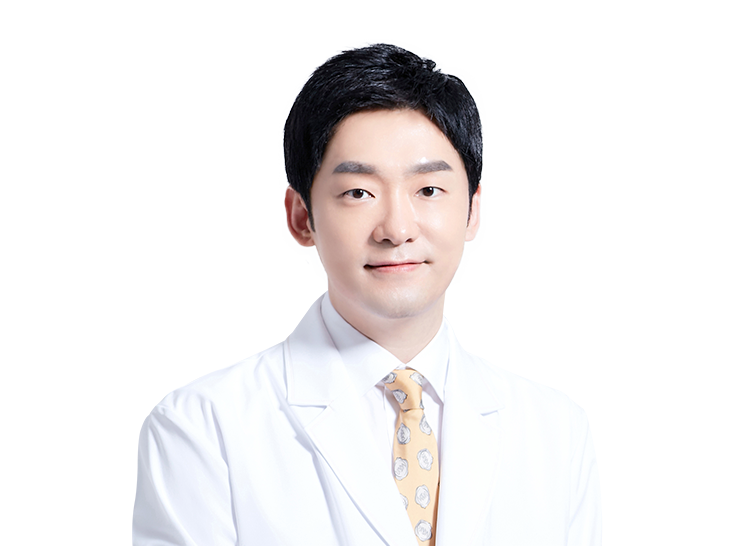
Reviewed by
Representative Director of 1mm Plastic Surgery and board-certified plastic surgeon. Every operation at 1mm is performed by the surgeon named in your consultation and surgery record — no ghost or proxy surgery. Full surgeon profiles · English-speaking eyelid surgeon in Seoul
Start with a photo
Send a front-facing photo of your eyes, open and closed. A coordinator will reply with your surgeon's first opinion and help you plan your visit to Seoul.
Keep reading
Let’s Chat Today!
📞+82-10-9451-1171 (WhatsApp & Text)
English-Speaking & Foreigner-Friendly. We’re Here for You!
Let our board-certified specialists at Very Good Plastic Surgery Clinic help you achieve natural, balanced, and refreshed eyes.





📍 Location
449 Gangnam-daero, Seocho-gu, Seoul
Youngshin Building, 7F · 8F · 9F · 10F
📞 Phone Consultation / Reservation
T. +82-10-9451-1171