Uneven Eyelid Correction in Gangnam Seoul Korea | 1mm Plastic Surgery
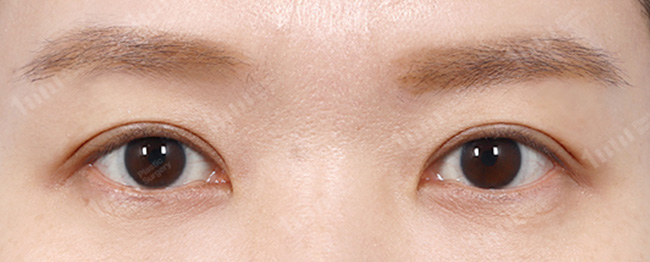
Uneven eyelid correction is a specialized eyelid surgery designed to improve asymmetry between the eyes caused by differences in eyelid height, eyelid creases, muscle strength, skin excess, or previous eyelid surgery. At 1mm Plastic Surgery in Gangnam, Seoul, Korea, treatment is customized according to each patient's eyelid anatomy, levator muscle function, brow position, scar tissue, and facial proportions. Depending on the cause of the asymmetry, correction may involve revision double eyelid surgery, ptosis correction, upper blepharoplasty, brow adjustment, fat grafting, or a combination of procedures to restore balanced, natural-looking eyes. Uneven eyelids are often caused by differences in eyelid muscle strength, crease formation, brow compensation, or previous surgery rather than simple crease asymmetry alone.
What Are Uneven Eyelids?
Uneven eyelids occur when one eye appears different from the other in terms of:
- Eyelid height
- Eyelid crease position
- Eye opening
- Eye shape
- Brow position
- Upper eyelid fullness
- Eyelid contour
Mild asymmetry is normal in most individuals, but significant differences may affect both appearance and confidence.
Common Causes of Uneven Eyelids
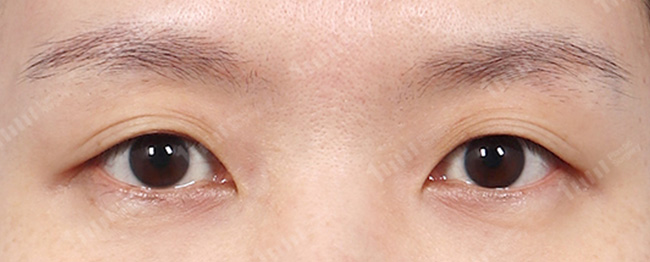
Ptosis (Uneven Eyelid Muscle Strength)
One of the most common causes of eyelid asymmetry is ptosis.
Symptoms include:
- One eye opens less than the other
- Sleepy-looking eyes
- Uneven pupil exposure
- Forehead compensation
- Eyelid fatigue
In these cases, ptosis correction is often more important than crease surgery alone.
Uneven Double Eyelid Creases
Patients may have:
- Different crease heights
- Missing crease on one side
- Multiple folds
- Loose or disappearing creases
These concerns are commonly corrected through revision eyelid surgery.
Brow Asymmetry
Sometimes the problem is not the eyelid itself.
Patients may unconsciously raise one eyebrow to compensate for weaker eyelid muscles, creating asymmetry around the eyes.
Previous Eyelid Surgery
Asymmetry may develop after:
- Double eyelid surgery
- Ptosis correction
- Upper blepharoplasty
- Revision eyelid surgery
Scar tissue and differences in healing can affect final symmetry.
Volume Differences
One eyelid may appear more hollow or fuller due to:
- Fat loss
- Previous fat removal
- Natural asymmetry
- Aging changes
Volume restoration may be necessary in selected patients.
Who Is a Good Candidate?
You may benefit from uneven eyelid correction if you have:
- One eye larger than the other
- Uneven eyelid creases
- Unequal eye opening
- Asymmetrical double eyelids
- Ptosis on one side
- Uneven upper eyelid volume
- Previous eyelid surgery concerns
A comprehensive evaluation is necessary to identify the true cause of the asymmetry before surgery.
How Is Uneven Eyelid Correction Performed?
Ptosis Correction
When asymmetry is caused by eyelid muscle weakness, correction may involve:
- Levator muscle advancement
- Levator tightening
- Non-incisional ptosis correction
- Incisional ptosis correction
Treatment aims to equalize eyelid opening between both eyes.
Revision Double Eyelid Surgery
Revision surgery may correct:
- Uneven crease height
- Multiple folds
- Asymmetrical eyelid shapes
- Previous failed surgery
The goal is to create balanced crease definition.
Upper Blepharoplasty
For patients with unequal skin excess, upper blepharoplasty may improve:
- Hooding
- Eyelid heaviness
- Skin asymmetry
- Aging-related imbalance
Fat Grafting and Volume Restoration
When volume differences are present, treatment may include:
- Fat grafting
- Volume restoration
- Hollow eyelid correction
This can improve contour symmetry and eyelid balance.
Benefits of Uneven Eyelid Correction
Improved Symmetry
Balanced eyelids create a more harmonious facial appearance.
More Natural Eye Shape
Correction focuses on matching:
- Eyelid height
- Eye opening
- Crease position
- Eyelid contour
Better Facial Balance
Even subtle asymmetry correction may significantly improve overall facial harmony.
Enhanced Confidence
Many patients feel more comfortable in photographs and social situations after correction.
Uneven Eyelids After Previous Surgery
Patients commonly seek revision because of:
- Uneven double eyelids
- One eye opening more than the other
- Persistent ptosis
- Scar-related asymmetry
- Unequal eyelid folds
Revision surgery requires careful analysis because scar tissue and altered anatomy make correction more complex than primary surgery.
Recovery After Uneven Eyelid Correction
Days 1–3
- Swelling
- Mild bruising
- Temporary asymmetry
Week 1
- Improved contour
- Reduced swelling
Weeks 2–6
- Better symmetry
- More stable eyelid position
Months 1–6
- Scar maturation
- Tissue stabilization
- Final refinement
Minor asymmetry during early healing is common and does not necessarily indicate a poor outcome.
Will My Eyes Be Perfectly Symmetrical?
No face is perfectly symmetrical.
The goal of uneven eyelid correction is to create:
- Improved balance
- Better eyelid harmony
- Natural proportions
- Functional symmetry
Most patients achieve significant improvement rather than mathematical perfection.
Why Choose 1mm Plastic Surgery?
Patients choose 1mm Plastic Surgery because of:
- Specialized eyelid surgery expertise
- Advanced ptosis correction techniques
- Revision eyelid surgery experience
- Customized surgical planning
- Natural aesthetic philosophy
- Precise symmetry analysis
- International patient services
- Comprehensive postoperative care
Frequently Asked Questions
What causes uneven eyelids?
Common causes include ptosis, uneven double eyelid creases, brow asymmetry, previous surgery, aging, and volume differences.
Can uneven eyelids be corrected?
Yes. Treatment depends on the underlying cause and may involve ptosis correction, revision eyelid surgery, blepharoplasty, or fat grafting.
Is ptosis a common cause of uneven eyes?
Yes. Differences in eyelid muscle strength are among the most common causes of eyelid asymmetry.
Can uneven double eyelids be fixed?
Yes. Revision double eyelid surgery can improve crease height, fold shape, and eyelid symmetry.
Can previous eyelid surgery cause asymmetry?
Yes. Scar tissue, healing differences, and surgical factors may contribute to asymmetrical results.
Will one eye always heal differently?
Minor healing differences are common because eyelids rarely heal in exactly the same way.
How long should I wait before considering revision surgery?
Most surgeons recommend waiting until healing is substantially complete, often several months after surgery.
Can uneven eyelids affect vision?
Yes. Significant ptosis may partially obstruct vision and contribute to eye fatigue.
Will my eyes become perfectly identical?
The goal is significant improvement and natural balance rather than perfect symmetry.
Can international patients undergo uneven eyelid correction in Korea?
Yes. Many international patients travel to Gangnam, Seoul, Korea for specialized eyelid asymmetry correction and revision eyelid surgery.