Failed Double Eyelid Surgery Revision in Gangnam Seoul Korea | 1mm Plastic Surgery
Failed double eyelid surgery revision is a highly specialized corrective procedure designed to improve unsatisfactory results from previous double eyelid surgery. At 1mm Plastic Surgery in Gangnam, Seoul, Korea, revision surgery is customized according to the cause of failure, scar tissue condition, eyelid function, crease design, and facial proportions. Common concerns include asymmetrical eyelids, loose or disappearing folds, multiple creases, high or deep folds, visible scars, ptosis, hollow eyelids, and unnatural eye shapes. Revision surgery is significantly more complex than primary eyelid surgery because it involves altered anatomy, scar tissue, and restoration of both function and aesthetics.
What Is Failed Double Eyelid Surgery?
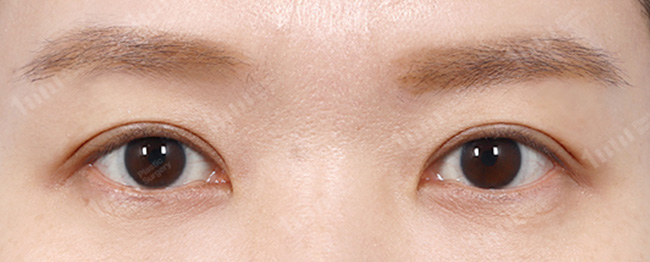
Failed double eyelid surgery refers to a situation where the outcome does not meet the patient's aesthetic or functional expectations.
Common issues include:
- Uneven eyelids
- Asymmetrical folds
- Loose or disappearing creases
- Multiple folds
- Excessively high creases
- Deep or unnatural folds
- Visible scars
- Ptosis
- Hollow upper eyelids
- Difficulty closing the eyes
These concerns may appear immediately after surgery or become noticeable as healing progresses.
Common Reasons Patients Seek Revision Surgery
Uneven Eyelids
One of the most common reasons for revision surgery is asymmetry.
Patients may experience:
- Different crease heights
- Unequal eye opening
- Uneven eye shapes
- Imbalanced facial appearance
Revision surgery focuses on restoring symmetry and balance.
Loose or Disappearing Double Eyelid Fold
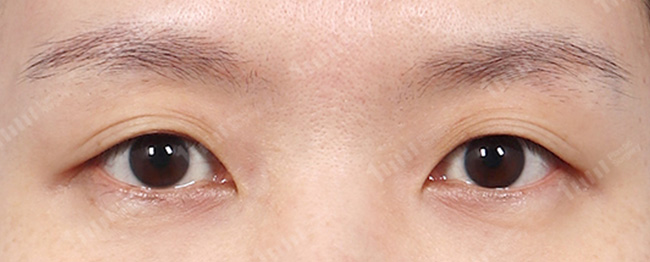
A previously created fold may loosen over time.
This is especially common after non-incisional techniques.
Signs include:
- Fold disappearance
- Puffy upper eyelids
- Smaller-looking eyes
- Inconsistent crease definition
Revision surgery can recreate a more stable eyelid fold.
High Double Eyelid Crease
An excessively high fold may create:
- Artificial appearance
- Over-operated look
- Deep-set eyes
- Unnatural facial proportions
Revision surgery may lower the crease and restore a softer appearance.
Multiple Eyelid Folds
Patients sometimes develop:
- Triple folds
- Irregular folds
- Unstable creases
- Multiple eyelid lines
These concerns often require scar release and crease redesign.
Visible Scarring
Scar-related concerns may include:
- Thick scars
- Deep scars
- Adhesions
- Depressed scars
Revision surgery can improve scar appearance and eyelid movement.
Persistent Ptosis
Sometimes the underlying ptosis was never properly corrected.
Symptoms include:
- Sleepy-looking eyes
- Uneven eye opening
- Heavy eyelids
- Forehead strain
Revision surgery may combine double eyelid correction with ptosis repair.
Signs That Your Double Eyelid Surgery May Have Failed
You may be a candidate for revision if you experience:
- Significant asymmetry
- Loose or disappearing folds
- Multiple eyelid creases
- Excessively high folds
- Deep folds
- Scar contracture
- Hollow upper eyelids
- Persistent ptosis
- Difficulty closing the eyes
- Unnatural eye shape
A detailed consultation is necessary to determine the underlying cause.
How Is Failed Double Eyelid Surgery Corrected?
Revision Double Eyelid Surgery
Revision surgery may involve:
- Removing previous adhesions
- Reconstructing the eyelid crease
- Correcting fold height
- Improving symmetry
- Refining eye contours
Each plan is customized according to the patient's anatomy.
Ptosis Correction
When eyelid muscle weakness contributes to asymmetry or small-looking eyes, ptosis correction may be necessary.
Benefits include:
- Better eye opening
- Improved symmetry
- More natural eye appearance
- Reduced eyelid fatigue
Scar Release and Reconstruction
Patients with severe adhesions or scar tissue may require:
- Scar release
- Tissue rearrangement
- Crease reconstruction
- Eyelid contour correction
Volume Restoration
For hollow or sunken eyelids, treatment may include:
- Fat grafting
- Volume restoration
- Fat repositioning
These techniques can restore youthful eyelid contours.
Why Revision Surgery Is More Difficult
Revision surgery is generally more complex than primary surgery because of:
- Existing scar tissue
- Altered anatomy
- Tissue deficiency
- Previous muscle manipulation
- Higher precision requirements
Successful outcomes require careful analysis and individualized planning.
When Should Revision Surgery Be Performed?
Most surgeons recommend waiting until the eyelids have fully healed before considering revision surgery.
In many cases:
- 6 months is recommended
- Up to 12 months may be advised
Exceptions may apply when significant functional problems are present.
Recovery After Failed Double Eyelid Surgery Revision
Days 1–3
- Swelling
- Mild bruising
- Tightness
Week 1
- Reduced swelling
- Initial contour improvement
Weeks 2–6
- Improved symmetry
- Better eyelid shape
Months 1–6
- Scar maturation
- Tissue stabilization
- Final refinement
Revision surgery often requires a longer recovery period than first-time eyelid surgery.
Why Choose 1mm Plastic Surgery?
Patients choose 1mm Plastic Surgery because of:
- Specialized revision eyelid surgery expertise
- Advanced scar release techniques
- Complex ptosis revision experience
- Customized surgical planning
- Natural aesthetic philosophy
- Functional and cosmetic correction
- International patient support
- Comprehensive postoperative care
Frequently Asked Questions
What is failed double eyelid surgery?
Failed double eyelid surgery refers to unsatisfactory results after eyelid surgery, including asymmetry, loose folds, high creases, scarring, or functional problems.
What are the most common reasons for revision surgery?
The most common reasons include uneven eyelids, loose folds, ptosis, visible scars, multiple folds, and high creases.
Can uneven double eyelids be corrected?
Yes. Revision surgery can improve eyelid symmetry, fold height, and overall eye balance.
Can a disappearing fold be fixed?
Yes. Revision surgery can recreate and stabilize the eyelid fold using more secure fixation techniques.
Can high double eyelid folds be lowered?
Yes. Revision techniques can lower excessively high creases and create a more natural appearance.
Can ptosis cause failed double eyelid surgery?
Yes. If ptosis is not properly addressed, the eyes may remain uneven or appear smaller after surgery.
Can visible scars be improved?
Yes. Scar revision, adhesion release, and reconstructive techniques can improve scar appearance and eyelid movement.
How long should I wait before revision surgery?
Most patients should wait approximately 6 to 12 months after their original surgery unless significant functional problems exist.
Is revision surgery more difficult than primary surgery?
Yes. Scar tissue and altered anatomy make revision surgery considerably more complex than primary eyelid surgery.
Can international patients undergo revision eyelid surgery in Korea?
Yes. Many international patients travel to Gangnam, Seoul, Korea for specialized failed double eyelid surgery revision and advanced corrective eye surgery.