Asian Eyelid Surgery in Korea | 1mm Plastic Surgery Gangnam Seoul
Asian eyelid surgery is a specialized form of eyelid surgery designed to enhance eyelid definition, eye shape, and facial harmony while preserving each patient's unique ethnic features. At 1mm Plastic Surgery in Gangnam, Seoul, Asian eyelid surgery may include double eyelid surgery, ptosis correction, epicanthoplasty, canthoplasty, upper blepharoplasty, or revision eyelid surgery depending on the patient's anatomy and aesthetic goals. The objective is not to westernize the eyes but to create a natural, balanced, and personalized result that complements the individual's facial structure and ethnic identity.
What Is Asian Eyelid Surgery?
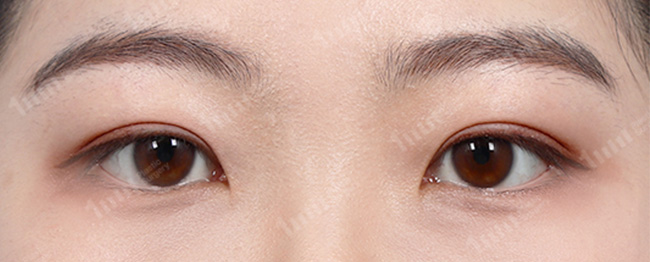
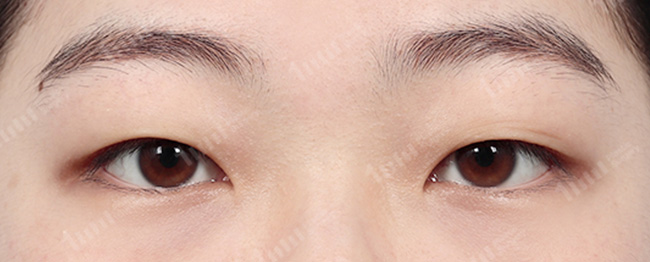
Asian eyelid surgery, often referred to as Asian blepharoplasty or double eyelid surgery, is designed to create or refine the upper eyelid crease while maintaining natural facial harmony. Anatomical differences in Asian eyelids may include the absence of a visible supratarsal crease, fuller upper eyelids, or prominent epicanthal folds.
The procedure may improve:
- Eyelid definition
- Eye symmetry
- Eye openness
- Facial balance
- Eye contour aesthetics
- Youthful appearance
Understanding Asian Eyelid Anatomy
Asian eyelids vary significantly from person to person.
Common anatomical characteristics may include:
- Monolids (single eyelids)
- Low eyelid creases
- Thick eyelid skin
- Full upper eyelid fat pads
- Epicanthal folds
- Mild ptosis
Not every Asian patient requires the same procedure. Surgical planning should be based on anatomy rather than trends.
Types of Asian Eyelid Surgery
Double Eyelid Surgery
Double eyelid surgery creates a visible upper eyelid crease.
Benefits may include:
- Better eyelid definition
- Larger-looking eyes
- Enhanced eye contours
- Improved symmetry
Double eyelid surgery remains one of the most commonly requested cosmetic procedures in Asia.
Non-Incisional Double Eyelid Surgery
Suitable for:
- Thin eyelids
- Minimal excess skin
- Younger patients
Benefits include:
- Faster recovery
- Minimal scarring
- Natural-looking folds
Incisional Double Eyelid Surgery
Suitable for:
- Thick eyelids
- Excess fat
- Excess skin
- Long-term crease stability
This technique allows removal or reshaping of tissue when necessary.
Partial-Incision Double Eyelid Surgery
A hybrid technique that combines advantages of both methods.
Suitable for:
- Moderate eyelid thickness
- Mild excess fat
- Patients seeking durable yet natural results
Ptosis Correction for Asian Eyes
Many patients believe they only need double eyelid surgery when the underlying issue is ptosis.
Ptosis correction may help:
- Improve eyelid opening
- Create larger-looking eyes
- Improve eye symmetry
- Reduce a tired appearance
Patients with weak eyelid-opening muscles often achieve better outcomes when ptosis correction is combined with double eyelid surgery.
Epicanthoplasty
The epicanthal fold is a skin fold covering the inner corner of the eye.
Epicanthoplasty may improve:
- Eye width
- Inner eye corner visibility
- Eye proportions
- Eye definition
In selected patients, epicanthoplasty may be combined with double eyelid surgery to create more harmonious results.
Canthoplasty
Canthoplasty focuses on reshaping the outer corner of the eye.
Benefits may include:
- Longer-looking eyes
- Almond eye appearance
- Improved eye contour
- Better facial balance
Lateral canthoplasty can improve the horizontal dimension of the eyes when appropriate.
Asian Eyelid Surgery for Men
Male eyelid surgery often focuses on:
- Natural eyelid definition
- Preserving masculine features
- Improving tired-looking eyes
- Subtle enhancement
Male patients generally prefer lower crease heights and less dramatic changes.
Revision Asian Eyelid Surgery
Revision surgery may address:
- Uneven eyelids
- High creases
- Multiple folds
- Ptosis recurrence
- Scar tissue
- Previous unsatisfactory outcomes
Revision procedures require advanced surgical planning and expertise.
Natural-Looking Asian Eyelid Surgery
Modern Asian eyelid surgery emphasizes:
- Preservation of ethnic identity
- Natural eyelid movement
- Balanced proportions
- Individualized crease design
- Long-term stability
The goal is enhancement, not transformation.
Recovery After Asian Eyelid Surgery
Days 1–3
- Swelling
- Mild bruising
- Tightness
Week 1
- Initial healing
- Reduced swelling
Weeks 2–4
- Improved eyelid contours
- Better symmetry
Months 1–6
- Scar maturation
- Crease stabilization
- Final results
Recovery varies depending on the surgical technique and individual healing process.
Why International Patients Choose Korea
Korea is recognized worldwide for:
- Specialized eyelid surgery expertise
- High-volume eye surgery centers
- Advanced techniques
- Natural-looking outcomes
- Revision surgery expertise
- Comprehensive aftercare
Gangnam remains one of the most popular destinations globally for Asian eyelid surgery.
Why Choose 1mm Plastic Surgery?
Patients choose 1mm Plastic Surgery because of:
- Specialized Asian eyelid surgery expertise
- Advanced ptosis correction techniques
- Customized crease design
- Revision surgery experience
- Natural aesthetic philosophy
- International patient support
- Comprehensive postoperative care
- Personalized treatment planning
Frequently Asked Questions
What is Asian eyelid surgery?
Asian eyelid surgery is a customized eyelid procedure designed to improve eyelid definition, eye shape, and facial harmony while preserving ethnic identity.
Does Asian eyelid surgery westernize the eyes?
No. Modern Asian eyelid surgery focuses on enhancing natural features while preserving the patient's ethnic characteristics.
What is the difference between monolids and double eyelids?
Monolids lack a visible upper eyelid crease, while double eyelids have a defined supratarsal crease.
Can ptosis correction be combined with double eyelid surgery?
Yes. Many patients benefit from combining ptosis correction with double eyelid surgery for improved eye opening and symmetry.
What is epicanthoplasty?
Epicanthoplasty is a procedure that reduces the epicanthal fold to improve inner eye corner visibility and eye proportions.
Is incisional or non-incisional surgery better?
The best technique depends on eyelid thickness, skin laxity, fat distribution, and long-term goals.
Can Asian eyelid surgery look natural?
Yes. Modern techniques focus on natural-looking eyelid creases and balanced facial harmony.
Can men undergo Asian eyelid surgery?
Yes. Surgical plans can be customized to preserve masculine features while improving eyelid appearance.
How long should foreigners stay in Korea?
Most international patients stay approximately 7–10 days, while revision cases may require a longer stay.
How can I receive an exact quotation?
An exact quotation requires consultation because eyelid anatomy, ptosis severity, epicanthal folds, and aesthetic goals vary significantly between patients.