Aging
As we age:
- Facial fat decreases
- Bone support changes
- Skin becomes thinner
- Soft tissues descend
These changes can create hollowness beneath the eyes and make patients appear older or tired.
1mm Plastic Surgery · Gangnam, Seoul
Under-eye fat grafting is an advanced facial rejuvenation procedure that restores volume beneath the eyes using purified fat harvested from the patient's own body.

In short
Under-eye fat grafting is an advanced facial rejuvenation procedure that restores volume beneath the eyes using purified fat harvested from the patient's own body. At 1mm Plastic Surgery in Gangnam, Seoul, Korea, fat grafting is commonly performed to improve tear troughs, hollow under-eyes, volume loss, dark shadows, and sunken eye contours. By transferring living fat cells to the under-eye area, the procedure helps create smoother transitions between the lower eyelid and cheek while maintaining a natural appearance and long-lasting improvement. Fat grafting is often combined with lower blepharoplasty or fat repositioning for comprehensive under-eye rejuvenation.
Medically reviewed by Dr. Eon Rok Do, board-certified plastic surgeon · Updated October 2026
Overview
Under-eye fat grafting, also known as fat transfer or fat injection under the eyes, involves harvesting fat from another area of the body and carefully injecting it into hollow or volume-deficient areas around the eyes.
The procedure is commonly used to improve:
Because the fat comes from the patient's own body, it offers a natural solution for restoring youthful contours.
02
As we age:
These changes can create hollowness beneath the eyes and make patients appear older or tired.
Some patients naturally have:
even at a young age.
Overcorrection during eyelid surgery may occasionally lead to:
Fat grafting is often used as a revision technique in these situations.
Candidates
You may be a candidate if you have:
A consultation is necessary to determine whether fat grafting, fat repositioning, or lower blepharoplasty would provide the best result.
Procedure
A small amount of fat is collected from areas such as:
The harvested fat is then purified before injection.
The collected fat is carefully processed to:
Tiny amounts of fat are strategically placed beneath the eyes using specialized techniques.
The goal is to:
Successful under-eye fat grafting requires meticulous placement because the eyelid area is one of the most delicate regions of the face.
Results
Because your own fat is used, results often feel and look natural.
Fat grafting can soften:
Unlike temporary fillers, transferred fat that successfully survives can provide long-term volume improvement.
The procedure improves:
06
Benefits:
Potential considerations:
Benefits:
Potential limitations:
Many patients with significant hollowness prefer fat grafting for longer-lasting correction.
Real result
A under-eye surgery result at 1mm Plastic Surgery, Gangnam. Every case is planned around the patient's own anatomy.
Published with patient consent. Individual results vary with anatomy, healing and the technique used.
All before & after photos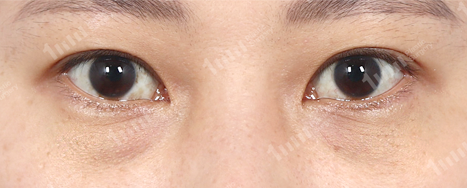
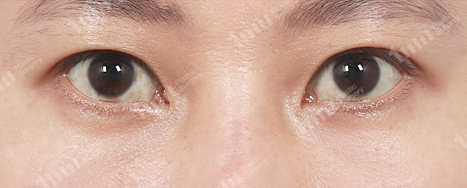
07
These procedures address different problems.
Best for:
Best for:
In some patients, both procedures may be performed together for optimal rejuvenation.
Recovery
Some swelling can persist for several weeks as the transferred fat settles into place.
Procedure
Yes. Under-eye fat grafting is frequently combined with:
Combining procedures often creates more comprehensive facial rejuvenation.
Why 1mm
Patients choose 1mm Plastic Surgery because of:
Questions
Still unsure? Message us on WhatsApp and a coordinator will reply in English.
Under-eye fat grafting transfers purified fat from another area of the body into hollow areas beneath the eyes to restore volume and improve under-eye contours.
Fat grafting may improve tear troughs, hollow eyes, volume loss, dark shadows, and under-eye contour irregularities.
It depends on the patient. Fat grafting provides longer-lasting volume restoration, while fillers offer a non-surgical option with less downtime.
Successfully surviving fat cells can provide long-term improvement that may last for many years.
Yes. Fat grafting is one of the most effective methods for improving hollow tear trough deformities.
Yes. Many patients combine fat grafting with lower eyelid surgery for more complete rejuvenation.
A portion of the transferred fat typically survives permanently, while some fat is naturally absorbed during healing.
When performed properly, fat grafting creates soft, natural-looking volume restoration rather than an overfilled appearance.
Most patients experience swelling and bruising for one to two weeks, with continued improvement over several months.
Yes. Many international patients travel to Gangnam, Seoul, Korea for advanced under-eye fat grafting and eyelid rejuvenation procedures.
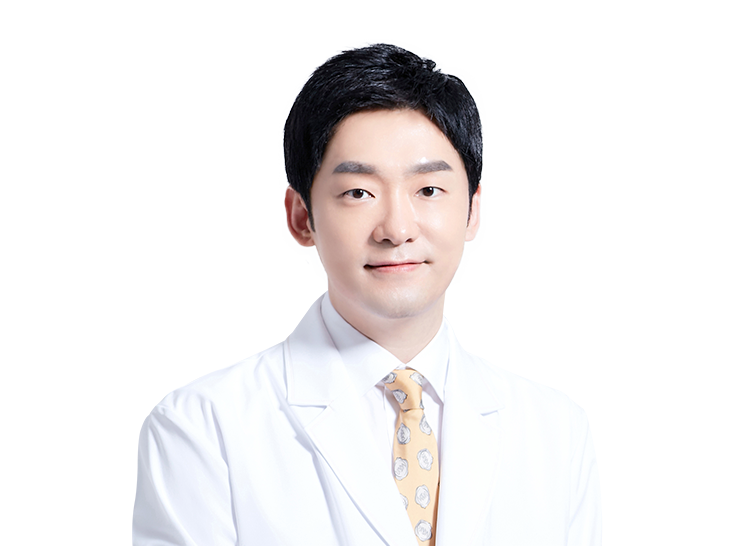
Reviewed by
Representative Director of 1mm Plastic Surgery and board-certified plastic surgeon. Every operation at 1mm is performed by the surgeon named in your consultation and surgery record — no ghost or proxy surgery. Full surgeon profiles · English-speaking eyelid surgeon in Seoul
Start with a photo
Send a front-facing photo of your eyes, open and closed. A coordinator will reply with your surgeon's first opinion and help you plan your visit to Seoul.
Keep reading
Let’s Chat Today!
📞+82-10-9451-1171 (WhatsApp & Text)
English-Speaking & Foreigner-Friendly. We’re Here for You!
Let our board-certified specialists at Very Good Plastic Surgery Clinic help you achieve natural, balanced, and refreshed eyes.






📍 Location
449 Gangnam-daero, Seocho-gu, Seoul
Youngshin Building, 7F · 8F · 9F · 10F
📞 Phone Consultation / Reservation
T. +82-10-9451-1171