Eyelid Asymmetry Correction in Gangnam Seoul Korea | 1mm Plastic Surgery

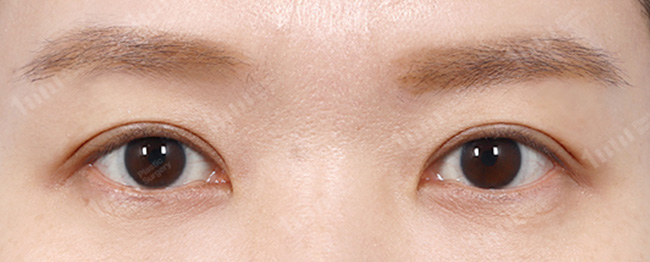
Eyelid asymmetry correction is a specialized eye surgery designed to improve differences between the right and left eyelids caused by ptosis, uneven double eyelid folds, volume imbalance, brow asymmetry, aging, or previous eyelid surgery. At 1mm Plastic Surgery in Gangnam, Seoul, Korea, treatment is customized according to eyelid muscle function, crease height, eye opening, skin excess, facial proportions, and previous surgical history. Depending on the underlying cause, correction may involve ptosis surgery, revision double eyelid surgery, upper blepharoplasty, fat grafting, or a combination of procedures to achieve balanced and natural-looking eyes.

What Is Eyelid Asymmetry?

Eyelid asymmetry refers to a noticeable difference between the two eyes in terms of:

  • Eyelid height
  • Eye opening
  • Double eyelid crease position
  • Upper eyelid fullness
  • Eye shape
  • Brow position
  • Eyelid contour

While minor asymmetry exists in almost everyone, more significant differences can affect facial harmony and overall appearance.

What Causes Eyelid Asymmetry?

Ptosis

One of the most common causes of eyelid asymmetry is unequal levator muscle strength.

This may cause:

  • One eye to appear smaller
  • Uneven eyelid opening
  • Tired appearance
  • Forehead compensation

Ptosis correction is often necessary to achieve proper symmetry.
Uneven Double Eyelid Creases

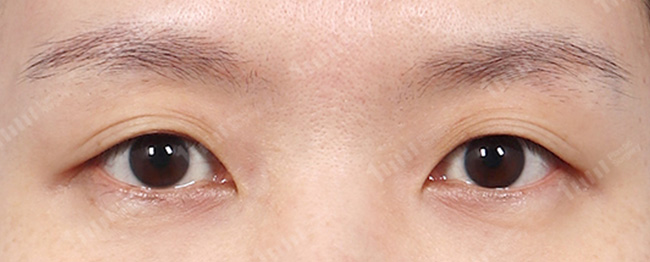
Patients may naturally have:

  • Different crease heights
  • Different fold depths
  • One visible fold and one hidden fold

Or these differences may develop after surgery.

Brow Asymmetry

Different eyebrow positions can create the appearance of uneven eyelids even when the eyelids themselves are similar.

Aging

As aging progresses:

  • Skin laxity develops unevenly
  • Eyelid fat changes occur
  • Muscle support weakens

This can make asymmetry more noticeable over time.

Previous Eyelid Surgery

Common causes after surgery include:

  • Uneven fold height
  • Unequal ptosis correction
  • Scar tissue formation
  • Different healing patterns
  • Volume imbalance

Revision surgery may be necessary to improve symmetry.

Signs You May Benefit From Eyelid Asymmetry Correction

You may be a candidate if you have:

  • One eye larger than the other
  • Unequal eyelid creases
  • Different eyelid heights
  • One droopy eyelid
  • Asymmetrical eye shape
  • Uneven upper eyelid fullness
  • Previous eyelid surgery dissatisfaction

A detailed consultation helps identify the exact source of the asymmetry.

How Is Eyelid Asymmetry Corrected?

Ptosis Correction

When muscle imbalance is the primary cause, surgery may involve:

  • Levator advancement
  • Levator tightening
  • Incisional ptosis correction
  • Non-incisional ptosis correction

The goal is to equalize eye opening.

Revision Double Eyelid Surgery

Revision procedures may improve:

  • Uneven crease height
  • Multiple folds
  • Loose folds
  • High creases
  • Low creases

Upper Blepharoplasty

Patients with asymmetrical skin excess may benefit from:

  • Skin removal
  • Eyelid contour refinement
  • Hooding correction

Volume Restoration

Some patients require:

  • Fat grafting
  • Hollow eye correction
  • Volume balancing

to improve eyelid contour symmetry.

Combined Procedures

Many patients require a combination approach because asymmetry is often caused by multiple factors.

Benefits of Eyelid Asymmetry Correction

Better Eye Symmetry

Balanced eyelids create a more harmonious appearance.

Improved Eye Opening

Correcting ptosis may improve both aesthetics and function.

More Natural Eye Shape

The eyes often appear:

  • More balanced
  • More refreshed
  • More youthful
  • More attractive

Better Facial Harmony

Even subtle improvements in eyelid symmetry can significantly improve overall facial proportions.

Eyelid Asymmetry After Double Eyelid Surgery

Patients commonly seek revision surgery because of:

  • Uneven crease height
  • One fold disappearing
  • Different eye opening
  • Multiple folds
  • Scar-related asymmetry

Revision surgery focuses on correcting these issues while preserving natural eye contours.

Eyelid Asymmetry and Ptosis

Many patients incorrectly assume that crease asymmetry is the main problem.

In reality, ptosis frequently contributes to:

  • Unequal eye opening
  • Uneven brow position
  • Asymmetric eyelid height

Comprehensive evaluation of eyelid muscle function is therefore essential before surgery.

Recovery After Eyelid Asymmetry Correction

Days 1–3

  • Swelling
  • Mild bruising
  • Temporary asymmetry

Week 1

  • Initial improvement
  • Reduced swelling

Weeks 2–6

  • Better balance
  • Improved eyelid contour

Months 1–6

  • Scar maturation
  • Tissue stabilization
  • Final symmetry refinement

Minor asymmetry during healing is common and usually improves over time.

Will My Eyes Become Perfectly Symmetrical?

No face is perfectly symmetrical.

The goal of eyelid asymmetry correction is:

  • Improved balance
  • Better harmony
  • Natural proportions
  • Functional symmetry

Most patients achieve significant improvement while maintaining a natural appearance.

Why Choose 1mm Plastic Surgery?

Patients choose 1mm Plastic Surgery because of:

  • Specialized eyelid surgery expertise
  • Advanced ptosis correction techniques
  • Complex revision surgery experience
  • Customized symmetry analysis
  • Natural aesthetic philosophy
  • Functional and cosmetic treatment planning
  • International patient services
  • Comprehensive postoperative care

Frequently Asked Questions

What causes eyelid asymmetry?

Common causes include ptosis, uneven double eyelid folds, brow asymmetry, aging changes, volume differences, and previous eyelid surgery.

Can eyelid asymmetry be corrected?

Yes. Treatment depends on the cause and may involve ptosis correction, revision double eyelid surgery, blepharoplasty, fat grafting, or combined procedures.

Is ptosis a common cause of uneven eyes?

Yes. Unequal eyelid muscle strength is one of the most common causes of eyelid asymmetry.

Can asymmetrical double eyelids be corrected?

Yes. Revision surgery can improve crease height, fold definition, and overall symmetry.

Can previous eyelid surgery cause asymmetry?

Yes. Scar tissue, healing differences, and surgical factors may contribute to asymmetrical outcomes.

Can eyelid asymmetry affect vision?

Yes. Significant ptosis may partially obstruct vision and contribute to eye fatigue.

Can fat grafting improve eyelid asymmetry?

Yes. Fat grafting can help correct volume deficiencies and contour differences between the eyelids.

How long should I wait before revision surgery?

Most patients should wait approximately 6 to 12 months after previous eyelid surgery before considering revision.

Will my eyes be perfectly identical?

The goal is improved balance and harmony rather than perfect mathematical symmetry.

Can international patients undergo eyelid asymmetry correction in Korea?

Yes. Many international patients travel to Gangnam, Seoul, Korea for specialized eyelid asymmetry correction and revision eyelid surgery.